

Introducing Medieval Marginalia
Gothic-Related Notes & Whatnot

This is the first in an occasional series I’ll be posting: a collection of recent Substack Notes related to Gothic architecture, medieval art, and the broader world of the Middle Ages.
For those of you not familiar, “Notes” is Substack’s social media space — something like a cross between Twitter and Instagram, but quieter and more humane. It’s algorithmic, yes, but more trail mix than junk food: a stream of images, thoughts, and fragments from (mostly) the writers and publications you follow.
Because many of you subscribe via email without ever logging in to Substack itself, I wanted to make these Notes more accessible. I post regularly — often photo sets focused on a single architectural element or piece of art, or brief comparitive analyses. Over time, many of them become the seeds of essays or parts of future series. But not all — sometimes they are just an interesting tidbit I wanted to share.
These roundups will appear every couple of weeks, basically offering you a kind of thematic scrapbook showing all the Notes I have created since the previous one.
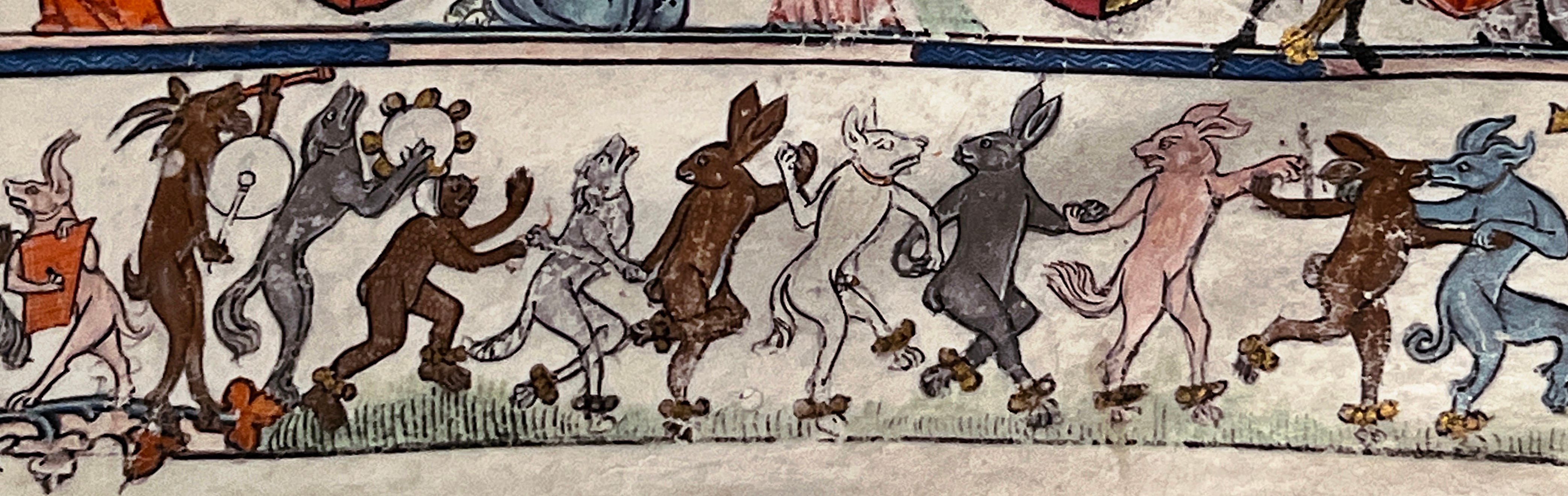
Think of them as the marginalia in a medieval manuscript: sometimes echoing the main text, sometimes just a whimsical aside. Occasionally serious, often playful — and always part of the Gothic world.
Below I’ve organized my Notes from the past month into Gothic Architecture and Medieval Art, and simply posted them in chronological order.
But first, a look at some unusually magnificent marginalia: